A Guide to Window Film Types: Choosing the Right Tint for Ballina's Climate
Staunch Window Tinting • November 2, 2026
Choosing the right film for window tinting in Ballina properties means looking beyond how dark the tint appears. Ceramic, carbon, metalised and dyed films offer different levels of heat rejection, glare reduction, privacy and appearance. The best choice depends on your glass, sun exposure and budget.
Ballina's warm, high-UV coastal climate brings particular challenges, especially for west-facing windows exposed to strong afternoon sunlight. Understanding the differences between film types can help you choose a solution that suits your home, office or vehicle without sacrificing natural light or visibility.
Quick answer — which window film suits most Ballina properties
For many Ballina properties, ceramic window film is worth considering when heat rejection and maintaining natural light are priorities. Carbon film can be a practical alternative for those wanting a balance between comfort, appearance and cost.
However, there isn't one film that suits every window. A west-facing living room may need different protection from a shaded bedroom or street-facing office.
The main considerations include:
- Heat rejection: How effectively the film reduces solar heat entering through glass.
- Glare control: How much visible sunlight the film reduces.
- Privacy: Whether the film limits visibility from outside.
- Appearance: How dark or reflective the finished glass looks.
- Budget: Whether an entry-level, mid-range or premium film best suits your requirements.
At Staunch Window Tinting, we assess your glass type, window measurements and individual needs before recommending a suitable film.
What are the main types of window film?
Understanding the different types of window tint makes comparing products easier. The main options include dyed, metalised, carbon and ceramic films, alongside hybrid and spectrally selective options that combine different technologies or target specific parts of the solar spectrum.
Dyed Window Film
Dyed window film uses a coloured layer to absorb some incoming sunlight and reduce visible glare. It's generally an entry-level option for customers who want a darker appearance without investing in premium film technology.
While dyed films can improve privacy and reduce brightness, they generally offer less advanced heat rejection than high-performance alternatives. Dyed films are typically the most affordable option, but they can be more prone to fading over time than higher-performance carbon or ceramic alternatives.
If you're replacing older film, it also helps to recognise the signs your window tint needs replacement before comparing new options.
Metalised Window Film
Metalised films contain metallic layers that reflect portions of incoming solar radiation. They can provide effective glare and heat control, making them suitable for certain residential and commercial applications.
However, some metal-containing films may interfere with electronic signals. Their reflective appearance may also be unsuitable for properties where a more neutral finish is preferred.
Carbon Window Film
Carbon film uses carbon-based technology to help manage solar heat and visible light. It typically provides a neutral, non-metallic appearance and can offer a useful balance between performance and affordability.
For Ballina homeowners who want reduced glare and a comfortable interior without a highly reflective finish, carbon film may be worth comparing.
Ceramic Window Film
Ceramic films use advanced non-metallic particles designed to reject solar heat while allowing different levels of visible light through.
Premium ceramic films can offer strong infrared heat rejection without requiring an especially dark appearance. They're particularly appealing for rooms where preserving daylight and outdoor views matters.
Film specifications vary between manufacturers and product ranges, so comparing individual products is more useful than relying on the category alone.
Ceramic vs carbon window tint — what's the real difference?
What's the difference between ceramic and carbon window tint? Both are non-metallic options, but ceramic films generally offer more advanced infrared heat rejection, while carbon films provide a balance of heat reduction, appearance and affordability.
Heat Rejection
Ceramic films generally offer more advanced infrared heat rejection, particularly within premium product ranges. This makes them attractive for windows receiving intense afternoon sunlight.
Carbon films also provide heat reduction, although their performance depends on the specific product selected.
For example, a hypothetical west-facing lounge room overlooking the Richmond River might benefit from a high-performance ceramic film that reduces incoming heat without making the space unnecessarily dark.
Appearance and Visibility
Carbon films are often chosen for their neutral, darker appearance. They can help create a consistent finish across multiple windows.
Ceramic films offer greater flexibility when high heat rejection and relatively clear visibility are both priorities. This can be valuable for living areas with coastal views.
Cost and Value
Carbon film generally sits within the mid-range pricing category, while advanced ceramic products tend to occupy the premium end.
The right choice isn't automatically the most expensive. We recommend comparing the performance specifications against your actual requirements rather than selecting a film based on price alone.
In short, dyed films are generally the entry-level choice, carbon films offer a mid-range balance of performance and price, and premium ceramic films provide advanced heat rejection at a higher cost. The best option depends on your glass, sun exposure and budget.
Does a darker tint keep a room cooler?
Does a darker tint actually keep a room cooler? Not necessarily. A darker window tint doesn't automatically reject more heat than a lighter film, as heat rejection depends on the film's technology and solar performance rather than darkness alone.
This misconception comes from treating visible light and infrared radiation as the same thing. They contribute differently to how a room looks and feels.
Visible Light Transmission
Visible light transmission, or VLT, describes how much visible light passes through the glass and film combination.
A lower VLT means less visible light enters the room, creating a darker appearance. This can help manage glare and daytime privacy, but darkness alone doesn't indicate overall heat rejection.
Infrared Heat Rejection
Infrared heat rejection describes how effectively a film blocks or reflects infrared radiation.
Advanced ceramic films can reject substantial infrared radiation while maintaining relatively high visible light transmission.
However, infrared rejection isn't the only measure of heat performance. Total solar energy rejection also considers other components of sunlight and provides a broader basis for comparing films.
For Ballina homes with large windows facing west, this distinction matters. You may want to reduce afternoon heat while keeping your living room bright.
Rather than automatically choosing the darkest film, compare its solar performance, glare reduction and compatibility with your glass.
How to choose the right film for your home, office or vehicle in Ballina
The best window film Ballina customers can choose depends on the building or vehicle, existing glass and how sunlight affects the space throughout the day.
Residential Windows
For homes, consider which rooms receive the most direct sunlight and whether privacy, glare or heat is your main concern.
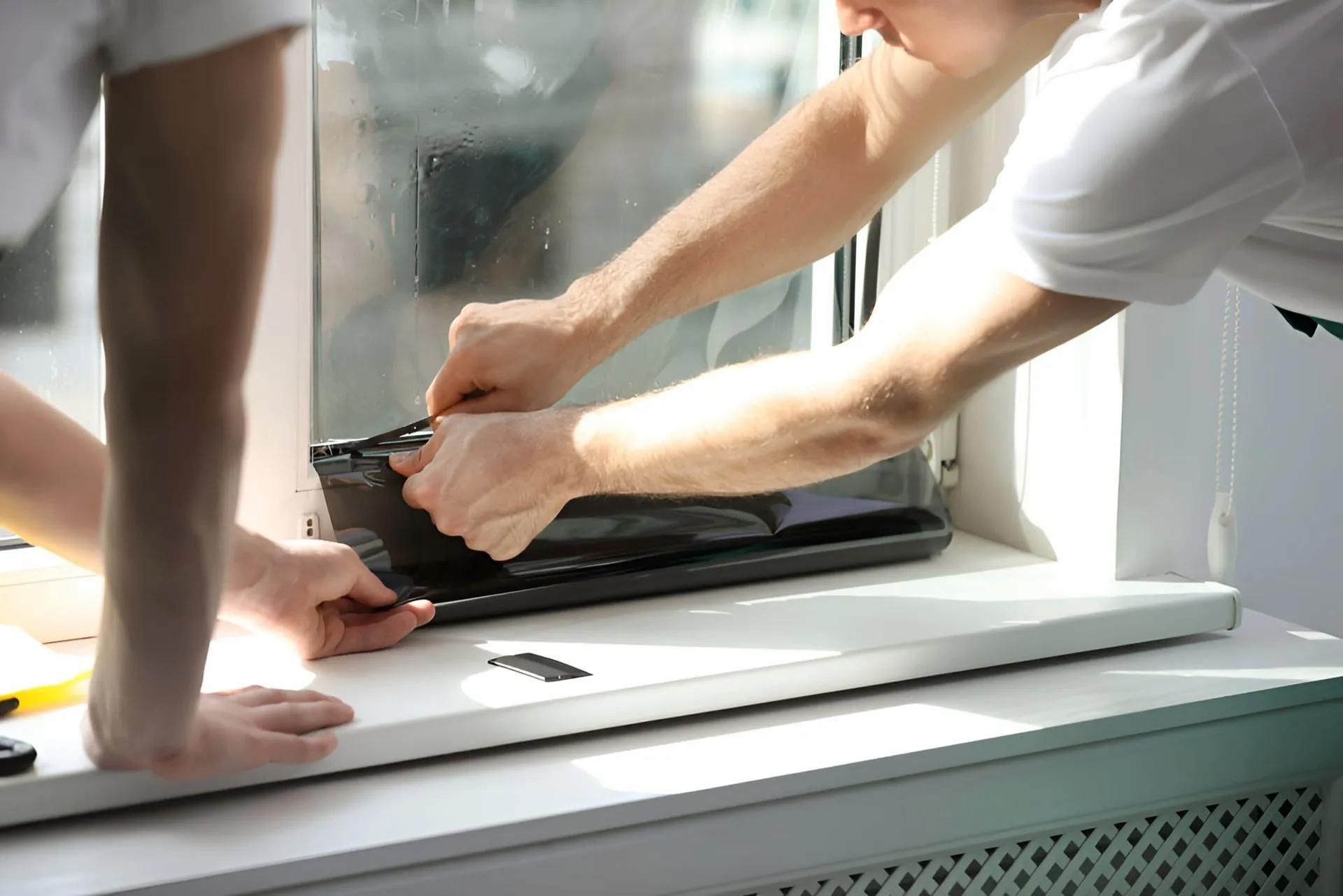
West-facing windows often experience intense afternoon sun, while other rooms may benefit more from privacy-focused films. For large north- and west-facing glass, home window tinting with a suitable spectrally selective film can help reduce heat while preserving natural light and outdoor views.
Coastal conditions, including salt air and high UV exposure, also make appropriate product selection and installation important.
Commercial Windows
Offices, shopfronts and other commercial spaces often need a balance between natural light, visibility and comfort.
For example, a street-facing office may require glare reduction around computer screens without creating a noticeably dark interior.
Depending on the building, a neutral carbon film or higher-performance ceramic option may suit these requirements.
Vehicle Windows
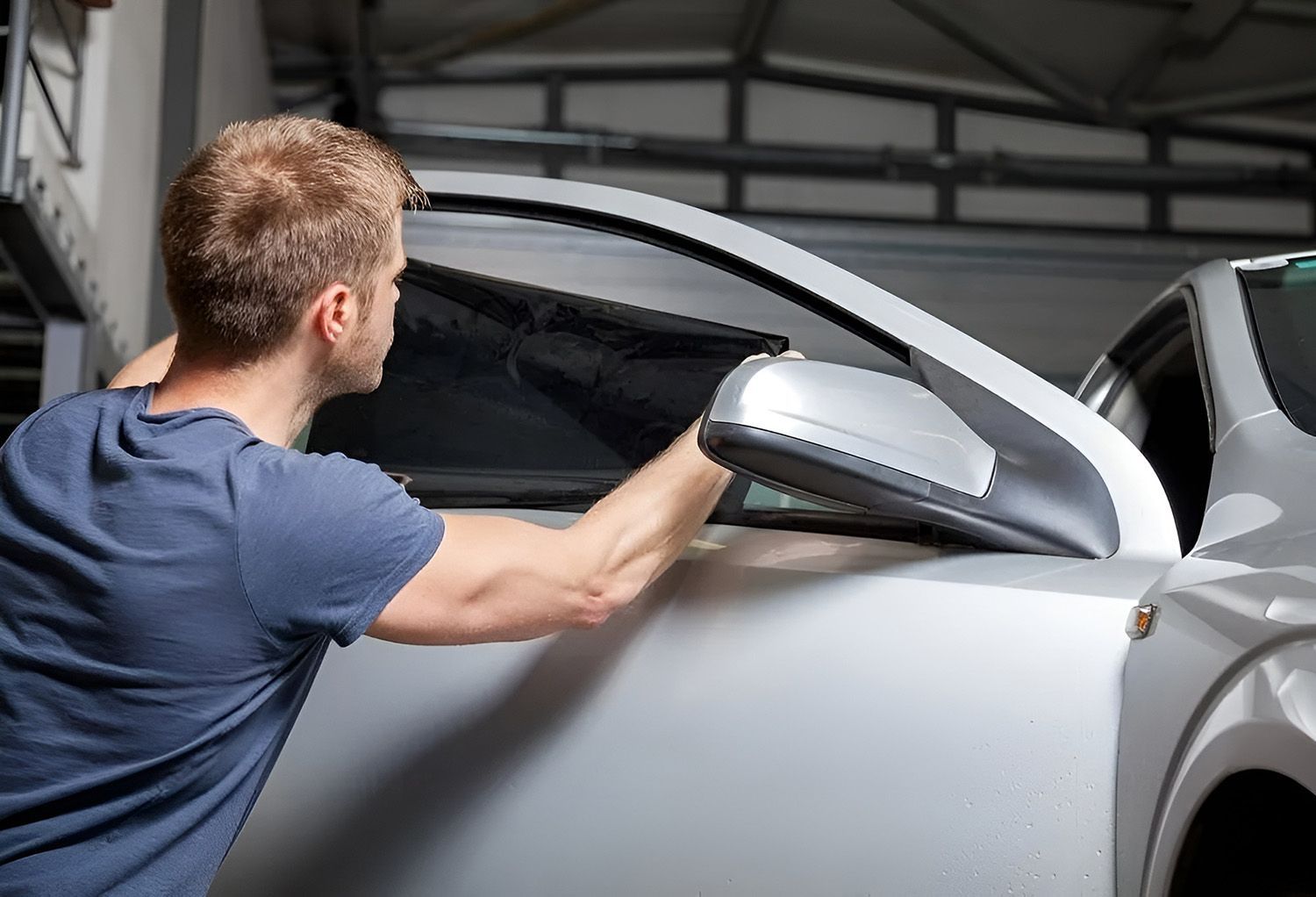
Vehicle tinting involves additional considerations, including visibility, glass configuration and legal darkness limits. Ceramic films are worth considering for car window tinting when reducing heat and glare is a priority.
In NSW, permitted tint darkness varies by window position and vehicle circumstances. Film selection must account for the combined light transmission of the glass and applied film.
We factor applicable legal requirements into the selection process rather than recommending darkness based on appearance alone.
Glass Compatibility and Professional Assessment
Not every film is suitable for every glass type. Existing coatings, glazing construction, window dimensions and exposure can affect product compatibility.
Our selection process begins with an on-site assessment and measurements to help identify appropriate options.
Staunch Window Tinting uses premium 3M and Johnson window films, allowing us to compare suitable products based on your needs.
The key takeaway: Choose window film by comparing heat rejection, visible light, privacy, glass compatibility and budget, not darkness alone.
If you're considering window tinting in Ballina,
contact Staunch Window Tinting to arrange a consultation. We'll assess your glass, window orientation and budget before helping you select the right film for your property or vehicle.
FAQs
Can window film protect furniture from UV damage?
Yes. Certain window films can block up to 99% of UV radiation, helping reduce one of the contributors to fading in furniture, flooring and furnishings. However, visible light and heat can also contribute to fading, so no film can eliminate the risk entirely.
Can window tint be installed on double-glazed windows?
Some films are compatible with double glazing, but suitability depends on the glass construction and film specifications. An assessment is important because an unsuitable film can increase thermal stress and potentially affect glazing warranties.
Will reflective window film provide privacy at night?
Reflective film generally provides stronger daytime privacy when outdoor light is brighter than indoor light. At night, interior lighting can reverse this effect, allowing people outside to see in. Curtains or blinds may still be needed.
Can different window films be used throughout one property?
Yes. Different rooms can benefit from different films depending on orientation, privacy requirements and natural light. For example, a west-facing living room may need stronger heat rejection than a shaded bedroom.
Is ceramic window tint suitable for vehicles?
Yes. Ceramic films are available for automotive applications and can provide heat and glare reduction without metallic layers. The selected film must still comply with applicable NSW vehicle tinting requirements.